Late Summer Digestion Reset

Late summer is the fifth season in TCM, when the summer days are still long, but the chill of fall is right around the corner. Associated with the Earth element, this between season is focused on emotional and physical grounding, nourishment, and balance. The spleen, which transforms food and drink into the Qi that fuels our bodies, and the stomach, which receives nourishment and begins the process of digestion, must be properly nourished in order to efficiently digest and for overall health and wellness to flourish. When the spleen and stomach are in balance, you will feel energized and focused. When imbalanced, symptoms of dampness like bloating, indigestion, inflammation, fatigue, and brain fog will overwhelm the mind and body. Symptoms of dampness occur from excessive consumption of processed sweets, alcohol, stress, little exercise, and prolonged exposure to a cold or wet environment. With a proper diet, exercise, herbs, and acupuncture, you can bring the spleen and stomach back into harmony so you can enjoy the last few warm days of summer in comfort and peace.

Ailments and Cures
Common ailments associated with an imbalanced spleen and stomach include bloating, acid reflux, belching, constipation, diarrhea, over thinking, worry, fatigue, brain fog, fluid retention, and congestion. To harmonize the spleen and stomach, you must support proper digestion through eating the right foods and herbs, exercising, and acupuncture.

Meals should be lightly cooked and eaten while warm, like steamed vegetables or brothy soups. Yellow foods like sweet potatoes, carrots, corn, and butternut and acorn squash are plentiful this time of year, and are high in vitamin A which helps improve immune function. Other easy to digest foods include peaches, beets, parsnips, ginger, millet, rice, oats, barley, chickpeas, lentils, peas, pears, figs, dates, and green tea are all foods that are high in fiber and vitamins. The spleen can also cause sweet cravings, so it is important to eat full sweets like fruits and vegetables with a naturally sweet flavor instead of processed sweets like cookies and candy. It is best to avoid icy drinks, excess dairy, fried foods, and highly processed foods, all of which cause dampness by being hard to properly digest. Herbs like Liu Jun Zi Wan, Ping Wei Wan, and Shen Ling Bai Zhi Pian strengthens the spleen Qi, resolves dampness, tonifies the stomach and spleen, supports digestion, and relieves symptoms like diarrhea and fatigue.

Gentle exercise like walking, qigong, or yoga help move Qi, move stagnation, dispel dampness, strengthen the core, and boost energy levels. While at rest, nurture your mind through journaling, meditation, or making space for quiet moments with the intention of easing worry and restoring mindfulness.

Acupuncture is a gentle but effective treatment for expelling dampness. By stimulating spleen and stomach points, acupuncture can improve digestion, calm inflammation, and aid in nutrient absorption. Points on your head can relieve brain fog and fatigue, promoting clarity and restfulness. Heart and liver points can help alleviate emotional symptoms of dampness like worry and over thinking. An acupuncturist may also use your tongue to diagnose dampness. If your tongue is pale with a thick white or yellow coating, tooth marks along the edge, and swelling, it is likely you have an imbalance causing dampness. A healthy tongue will be light pink with a thin coating and no teeth marks.

This season between seasons is essentially a bridge between summer’s outward expansion of Yang energy and fall’s inward draw of Yin. The next season is associated with the Metal element, the lungs, and the large intestine. The strength of digestion that the Earth element, spleen, and stomach brings to the next season supports the lungs and liver. The more we nourish our bodies in late summer, the healthier we will feel moving into fall. A proper diet of easy to digest foods like squash, sweet fruits, and lightly cooked meals, gentle exercise like yoga, herbal supplements, and acupuncture are all accessible treatments for the sluggish symptoms of late summer. Grab a glass of room temperature water, a nice blank journal, and find a shady seat to prepare your body and mind for the season to come. The more rest and nourishment you get now will mean a healthier fall.

References

● https://cherryblossomhealingarts.com/tcm/the-fifth-season-in-tcm

● https://encircleacupuncture.com/blog/chinese-medicine-fifth-season

● https://www.mayway.com/blogs/articles/late-summer-the-earth-element

● https://forestparkwellness.com/acupuncture-can-help-regulate-your-body-boost-energy-and-tame-allergies/

● https://opencarecommunity.com/blog/dampness-in-the-body-tcm-explained
Activating the Ear: Auricular Acupuncture

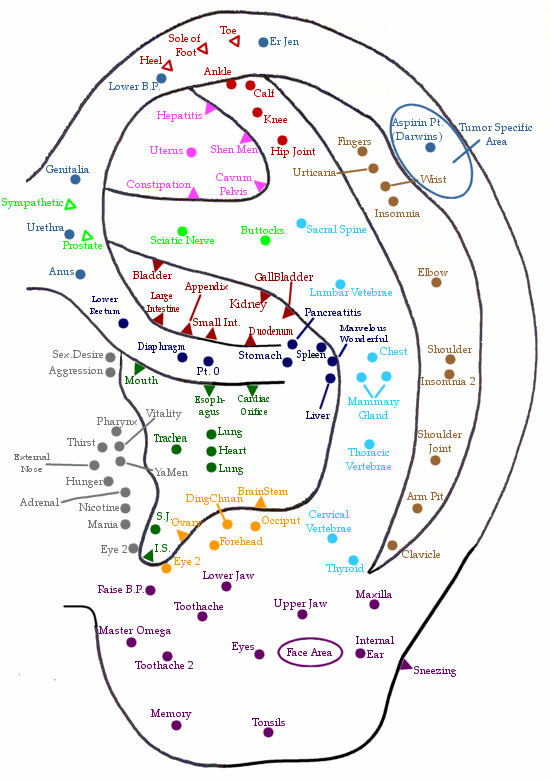
Auricular acupuncture is the practice of stimulating specific points along the outer ear, and is viewed as a full body approach to healing. Commonly used to treat insomnia, anxiety, stress, or addiction, regulate the nervous system, and support bodily functions, it is a non-invasive and gentle treatment that offers numerous benefits. Each point is believed to be connected by nerves and reflex pathways to different parts of the body, like the head, heart, spine, liver, stomach, and practitioners will use fine needles, tiny metal balls, ear seeds, or gentle electrostimulation as techniques to treat a patient’s specific needs. This acupuncture technique is gaining popularity in both Eastern and Western health traditions by combining the knowledge of traditional ear mapping with modern neural connections.

Source: TCMstudent.com

How it Works
Cranial nerves like the vagus nerve, trigeminal nerve, and facial nerve all have branches that reach the outer ear, and when they are stimulated, parts of the brain that regulate mood, stress, pain perception, and bodily regulation are stimulated. Stimulating points on the ear sends neurological signals through the nervous system, switching into a parasympathetic state, which promotes rest and relaxation. Endorphins are released that reduce pain and discomfort, and enhance feelings of well being. Released neurotransmitters and hormones regulate mood, sleep, and appetite, and stimulation of the vagus nerve balances heart rate, digestion, and inflammation.

Physical and Mental Ailments
Auricular acupuncture is beneficial for individuals seeking a natural treatment with minimal side effects, those healing from trauma, grief, or addiction, those experiencing chronic tension or burnout from a high stress lifestyle, or those with hormonal imbalances.

● Stimulating the musculoskeletal points relieves inflammation that causes back pain, sciatica, or joint discomfort

● Treats migraines and tension headaches

● Eases symptoms like bloating, gas, or sluggish digestion

● By shifting and balancing hormones, symptoms of menstruation and menopause are lessened

● Stimulating facial nerve points releases jaw clenching and treats TMJ

● Certain ear points reduce the fight-or-flight response, easing feelings of anxiety and panic attacks, and encourages relaxation

● Feelings of depression and low mood can be eased by balancing serotonin levels

● Physical aid for processing and regulating emotions

Benefits

● Relief from chronic and acute back, joint, or muscular pain

● Reduced anxiety and stress

● Improved, more restorative sleep

● Enhanced focus and mental clarity, reduced brain fog

● Support through addiction or withdrawal by easing cravings during recovery

● Regulates digestion and metabolism, aiding in weight loss and management

● Increased blood flow and circulation

Home Practice
Stimulation of auricular points can be self administered at home through the use of ear seeds and an ear acupressure point chart. Ear seeds are tiny balls made of either a plant called vaccaria or metal, and are adhered to ear acupressure points with tape. They are then gently pressed throughout the day to stimulate the points, and are often used after an acupuncture session to prolong the healing effects. More accessible points to reach include the Ear Shen Men, which calms the mind, eases anxiety, aids in better sleep, and lessens stress, and Point Zero, which balances the body’s energies.

Whether applied with needles or ear seeds, stimulation of points along the outer ear can provide immense relief from physical, mental, and emotional ailments. TCM teaches that pressure points connect the body through nerve pathways, and activation of certain points can bring your body back to balance. With a detailed chart or with a practitioner’s help, this practice is accessible to anyone and can be self administered.


References

● https://burlingtonacupuncture.com/health-well-news/auricular-acupuncture-what-it-is-and-why-is-everyone-talking-about-it/

● https://acaacupuncture.com/auricular-ear-acupuncture-what-it-treats-how-it-works-and-who-its-for/

● https://www.emmaquine.com/auricular-acupuncture

● https://www.alldeepmassage.com/ow-give-yourself-ear-acupressure/

Emotional Eating: A Clue to Imbalance

Emotional eating is a response to psychological and emotional factors rather than hunger, and stems from either unprocessed emotions or imbalances in the body’s organs. Each organ, the spleen, heart, liver, kidneys, and lungs, are associated with particular emotions, cravings, and other symptoms that can help diagnose an imbalance within the body. Balanced emotions are important in Classical Chinese medicine (CCM) because they are closely linked with organ function, and support vitality and Qi. When emotions are suppressed or unprocessed, stagnation can occur, leading to symptoms that cause emotional eating. The relationship is symbiotic, and can generate a habitual cycle if left unchecked. Understanding what you are craving can be the first step in understanding what you are feeling, and then treating yourself accordingly.

The Spleen

In CCM, the Spleen is the center for digestive health. Its main function is turning food into QI and Blood. Feelings of worry, overthinking, and mental strain are associated with the Spleen. Symptoms include craving sweet, starchy, or comfort foods, bloating, fatigue, and indigestion. To support your Spleen through times of emotional imbalance, eat warm, cooked meals to aid digestion, avoid excess sugar, avoid raw and cold foods which are harder to digest and weaken the Spleen, and incorporate herbs like Astragalus, Turkey Tail, Chaga, and Lion’s Mane mushroom.


The Heart

The Heart is responsible for spirit, or Shen, and overall emotional health. An imbalance in the Heart presents as a deficit in joy, and emotional eating may look like overeating to fill a void or find comfort. Symptoms include insomnia, restlessness, anxiety, depression, or loneliness, heart palpitations, and cravings for sugar and highly processed foods that offer instant gratification. To best support your Heart and heal an imbalance, limit stimulants like caffeine, incorporate tonics that support Shen like Reishi, and eat red foods like jujube and goji berries, which support Blood and nurture a sense of emotional comfort.


The Liver

An imbalance in the Liver, which regulates Qi and Blood flow, waste elimination, and processing emotions, results in Qi stagnation, and feelings of stress, anger, frustration, and irritability. Symptoms include emotional outbursts, cravings of rich and greasy foods, tension headaches or vertigo, and painful menstrual cramps. To tonify the liver and regulate your emotions, incorporate bitter greens like dandelion, which helps cleanse the liver, and arugula to move stagnation, minimize alcohol consumption, avoid fried foods that burden the liver, avoid citrus to relieve dampness, stimulate acupressure point Bladder 47, and incorporate herbs like Schizandra, Chaga, Reighi, Cordyceps, Rose, and He Shou Wu.

The Kidneys

Jing, or essence, which is considered the root of life, is stored in the Kidneys. Emotional eating is linked to feelings of fear, instability, and fatigue. Symptoms include craving salty foods, chronic exhaustion, low motivation, frequent fight or flight freeze response, night sweats, and feelings of insecurity. Support your kidneys by eating foods like seaweed, bone broth, and root vegetables, prioritize mineral intake, and include Jing and Kidney tonics like Chaga, Cordyceps, Reishi, and He Shou Wu.


The Lungs

When the Lungs are in disharmony, dysregulated eating habits like loss of appetite or overindulgence in comfort food may occur. Symptoms include feelings of defenselessness, sadness, and grief, shortness of breath, asthma, cough, frequent colds and flus, allergies, skin issues, excessive crying, or inability to cry despite sadness. To harmonize the lungs, eat truly comforting and nutrient dense foods like soup, stew, or porridge, practice meditation or breath work, incorporate herbs like Astragalus, and eat pears and apples to nourish the lungs and balance Yin.

Looking at emotional eating through the teachings and practices of CCM, the relationship between emotions and our bodies becomes clear. By understanding the body’s organ system’s relationship with emotions, you can begin processing emotions and heal stagnation instead of prolonging the imbalance by satisfying your cravings. Fueling your body with proper nutrients and processing your emotions will lead to a balanced mind, body, and spirit.


Resources

● https://www.rootandbones.com/blogs/news/emotional-eating-a-tcm-perspective

● https://linyanastudio.com/emotional-eating/

● https://drlaurenkeller.com/blog/2019/3/6/traditional-chinese-medicine-and-food-cravings

● https://www.tcmworld.org/body-never-lies-cravings/

● https://www.yinovacenter.com/blog/what-your-cravings-are-telling-you-some-tips-for-healthier-alternatives/

● https://www.michiganacupuncturestudio.com/post/food-cravings-according-to-traditional-chinese-medicine