Acupuncture + Chinese Medicine
Acupuncture treatment has a history of thousands of years in ancient China. As a modality within an eight modality system of medicine, acupuncture is most widely utilized around the world. Classical Chinese medicine utilizes yin-yang theory as well as taoist five element philosophy (wood, fire, earth, metal, water). This system of medicine merges our basic understanding of the natural environment and the internal environment of the human body.
What is Acupuncture?
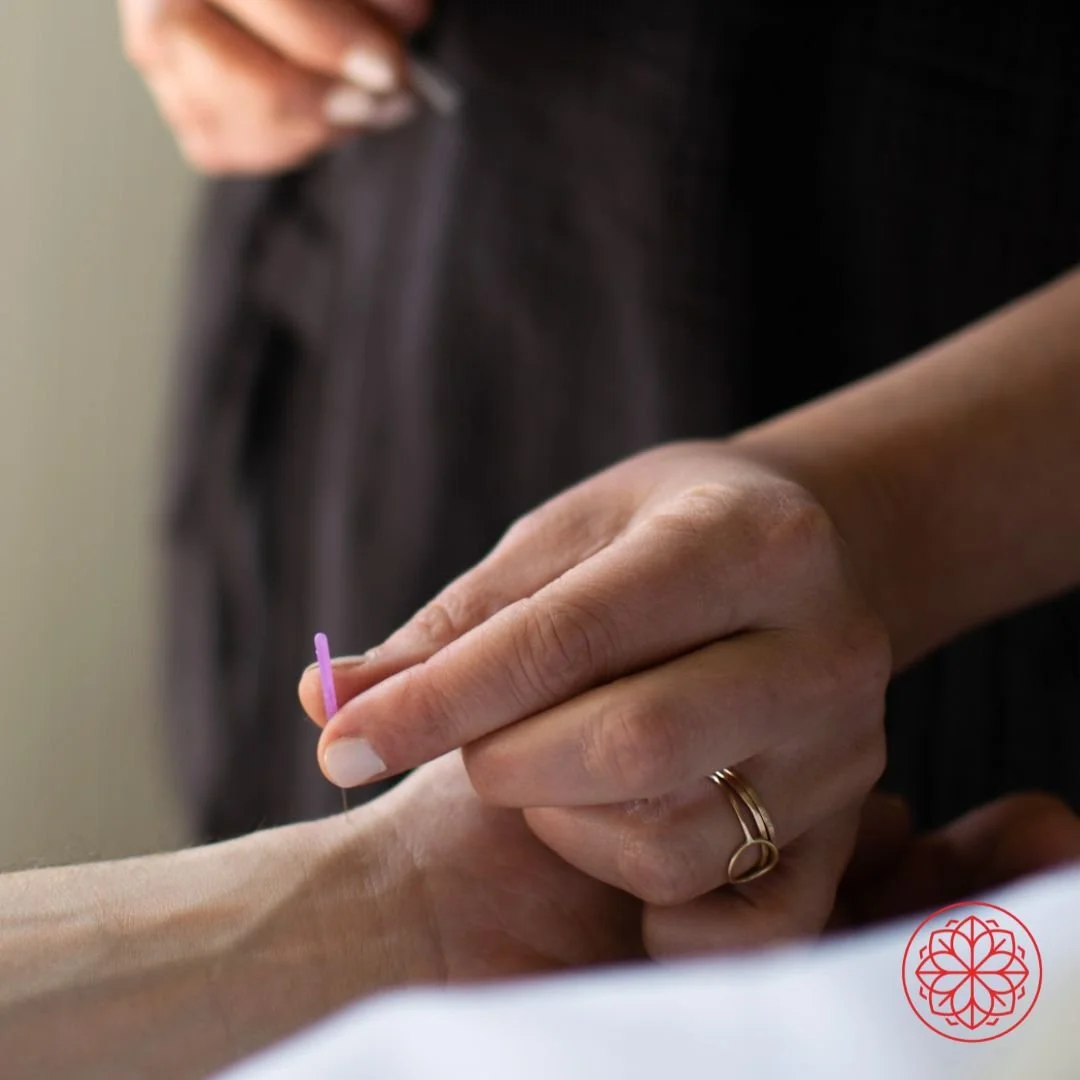
Acupuncture is the most well-known eastern therapy in the United States.
Acupuncture is a branch of Traditional Chinese medicine, a system of medicine that studies and treats the person not the disease.
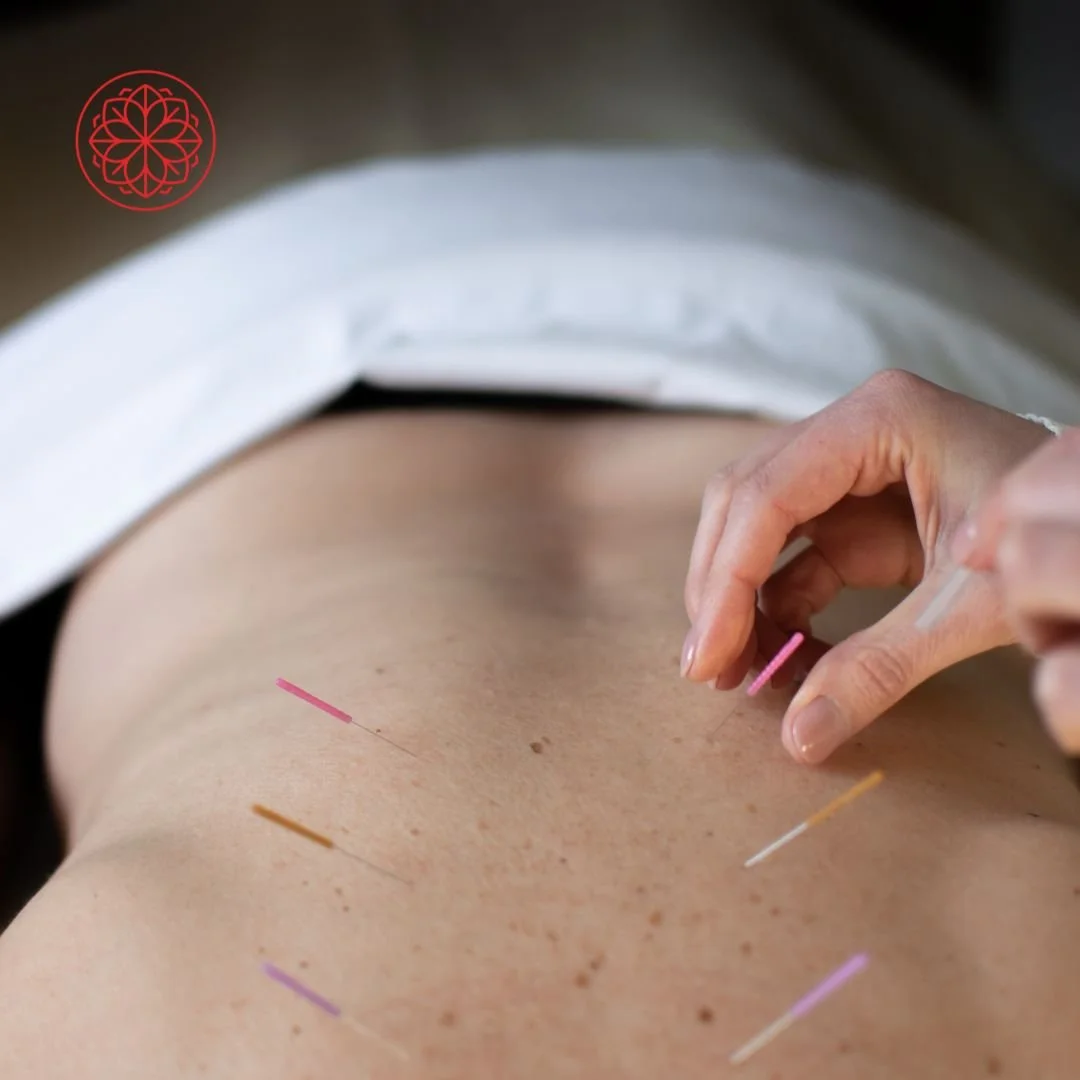
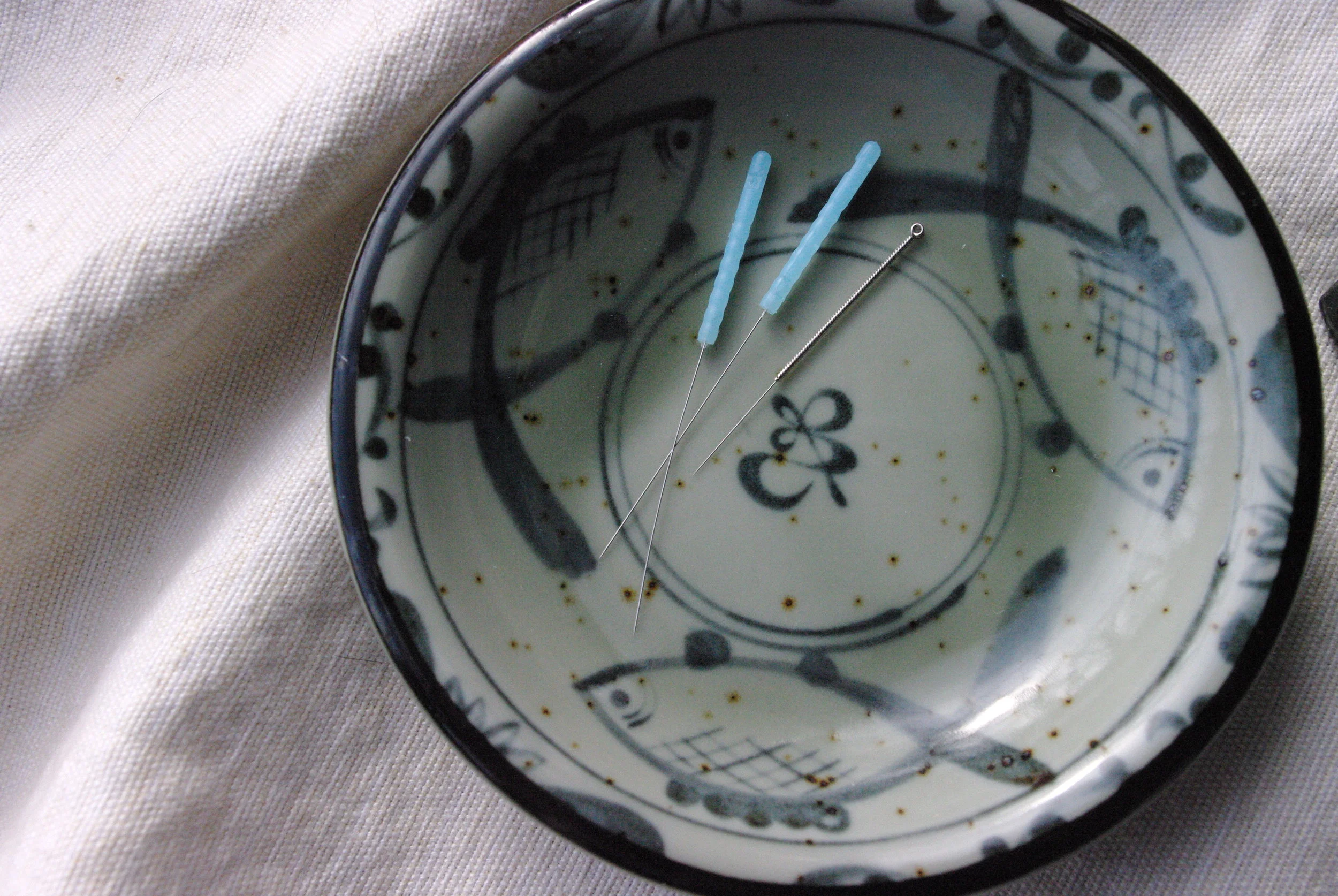
Acupuncture is a therapy that heals by inserting very fine sterile needles at specific locations on the body. Acupuncture is a branch of traditional Chinese medicine that utilizes the body's own electrical system (qi) to promote healing. Qi energy is the electrical activity in the body that connects all of our mind and body systems.
*Qi is pronounced "chee"
How does acupuncture work?

To describe it simply, acupuncture stimulates the electrical current that connects the brain and body continuously. Systemic balance is called homeostasis- and it is necessary to maintain internal stability. When at any point that electrical current (Qi) is compromised, homeostasis is also effected so symptoms of imbalance occur and disease ensues. The name for this electrical current in traditional Chinese medicine is qi. The strategic insertion of fine acupuncture needles along specific electrical pathways (meridians) will stimulate that bad connection so that the process of homeostasis may correct under/over productive systems in the body that need to be addressed.
Acupuncture helps the overall function of the body and is effective for many acute and chronic illnesses. It stimulates the natural healing processes of the body to restore health and healing by activating specific points along energy pathways and meridians mapped by TCM practitioners over hundreds of years of careful and meticulous research and documentation of treatments.
TCM= Traditional Chinese Medicine
Electrical activity (western medicine) = Qi (eastern medicine)
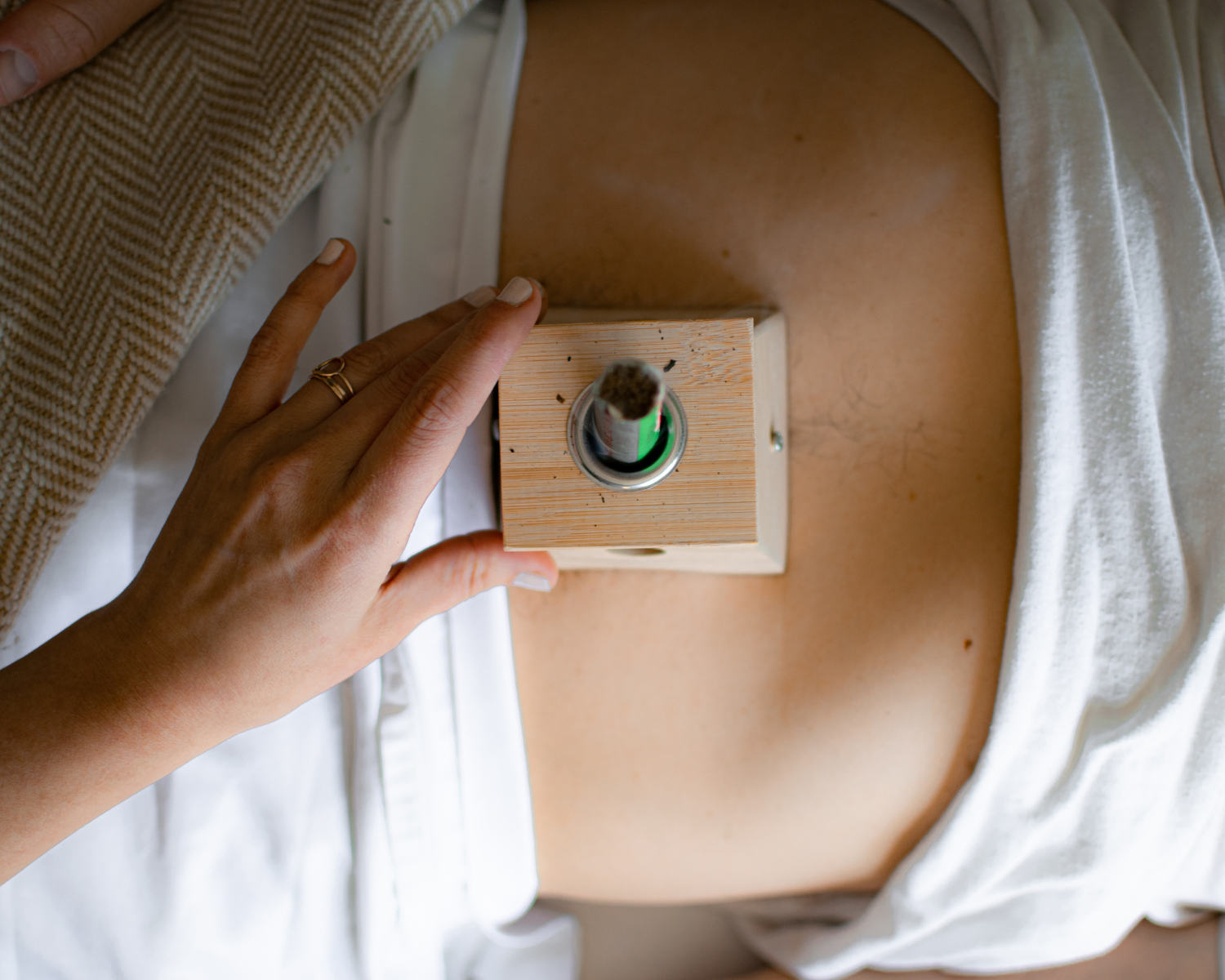
TCM therapies: Acupuncture, herbal medicine, acupressure, gua sha, cupping, nutrition, feng shui
What can acupuncture treat?
Acupuncture is a modality within a larger more complete system of medicine. Before any meridians or diagnosis can be made, there is a full health intake that includes tongue reading, pulse taking, and reviewing the systems of the body (digestion, sleep, menses, etc). We look at the body as a whole and also the history of the person’s health as it may contribute to current imbalances. Because this is such a thorough approach to healing, acupuncture is very versatile in what it can treat. For example, a person who complains of menstrual migraines may also suffer from sleep disruptions and poor digestion. Acupuncture can work on the deeper issues of digestive weakness while also reviving good sleep and relieving the menstrual migraines. This is how we can work with the body as a whole.
The World Health Organization recognizes the ability of acupuncture and traditional East Asian medicine to treat over 43 common disorders. VIEW COMPLETE LIST
How often to I need to get acupuncture?
In general, acute (new) symptoms may be treated in a relatively short amount of time while chronic (6 months+) conditions may take a bit longer to resolve.
ACUTE CONDITIONS: Weekly for 3-6 weeks.
Recent injuries, acute back, neck or other body pains, flare ups of inflammation, new digestive distress, sudden changes in health (sleep, menstrual pain, headaches, sinus issues…)
Frequent early treatment will help the body heal and regulate faster. Progress is assessed at every session to decide the course of treatment. After 3-6 weeks, either the symptoms have resolved or reduced to the point of needing less intervention. The goal is to complete treatment and provide feedback to help prevent the condition from returning (if applicable).
CHRONIC CONDITIONS: Weekly for 4-6 weeks, tapering to biweekly, monthly, or quarterly support
Conditions that have persisted for months or years often require a deeper level of care. Chronic issues develop over time or are sustained from more traumatic injuries or experiences. The longevity of symptoms requires more sustained interventions to correct course and reduce discomfort.
As conditions improve (example: pain levels reduce, menses regulate, persistent stress responses relax) the frequency of treatment will follow. It is common to move into a series of biweekly treatments until the next level of measurable improvement occurs and an individual can assess the need for ongoing care at that point. The goal is to resolve symptoms and find health practices that will manage the condition and prevent flare ups.
PREVENTATIVE HEALTH + MAINTENANCE: Monthly or quarterly
Holistic traditional medicines emphasize preventative health care. Periodic sessions can help promote general well-being, boost the immune system, manage stress, reduce pain, and keep resolved issues from reoccurring.
Periods of high stress, athletic training, difficult times of year, or seasonal transitions often inspire individuals to temporarily increase their frequency of acupuncture.
Once a person establishes a relationship and understanding with this type of medicine, they can reflect on how often acupuncture feels right for them and their path to wellness.
SPECIALIZED ACUPUNCTURE CARE
Classical Chinese Medicine