Activating the Ear: Auricular Acupuncture

Auricular acupuncture is the practice of stimulating specific points along the outer ear, and is viewed as a full body approach to healing. Commonly used to treat insomnia, anxiety, stress, or addiction, regulate the nervous system, and support bodily functions, it is a non-invasive and gentle treatment that offers numerous benefits. Each point is believed to be connected by nerves and reflex pathways to different parts of the body, like the head, heart, spine, liver, stomach, and practitioners will use fine needles, tiny metal balls, ear seeds, or gentle electrostimulation as techniques to treat a patient’s specific needs. This acupuncture technique is gaining popularity in both Eastern and Western health traditions by combining the knowledge of traditional ear mapping with modern neural connections.

Source: TCMstudent.com

How it Works
Cranial nerves like the vagus nerve, trigeminal nerve, and facial nerve all have branches that reach the outer ear, and when they are stimulated, parts of the brain that regulate mood, stress, pain perception, and bodily regulation are stimulated. Stimulating points on the ear sends neurological signals through the nervous system, switching into a parasympathetic state, which promotes rest and relaxation. Endorphins are released that reduce pain and discomfort, and enhance feelings of well being. Released neurotransmitters and hormones regulate mood, sleep, and appetite, and stimulation of the vagus nerve balances heart rate, digestion, and inflammation.

Physical and Mental Ailments
Auricular acupuncture is beneficial for individuals seeking a natural treatment with minimal side effects, those healing from trauma, grief, or addiction, those experiencing chronic tension or burnout from a high stress lifestyle, or those with hormonal imbalances.

● Stimulating the musculoskeletal points relieves inflammation that causes back pain, sciatica, or joint discomfort

● Treats migraines and tension headaches

● Eases symptoms like bloating, gas, or sluggish digestion

● By shifting and balancing hormones, symptoms of menstruation and menopause are lessened

● Stimulating facial nerve points releases jaw clenching and treats TMJ

● Certain ear points reduce the fight-or-flight response, easing feelings of anxiety and panic attacks, and encourages relaxation

● Feelings of depression and low mood can be eased by balancing serotonin levels

● Physical aid for processing and regulating emotions

Benefits

● Relief from chronic and acute back, joint, or muscular pain

● Reduced anxiety and stress

● Improved, more restorative sleep

● Enhanced focus and mental clarity, reduced brain fog

● Support through addiction or withdrawal by easing cravings during recovery

● Regulates digestion and metabolism, aiding in weight loss and management

● Increased blood flow and circulation

Home Practice
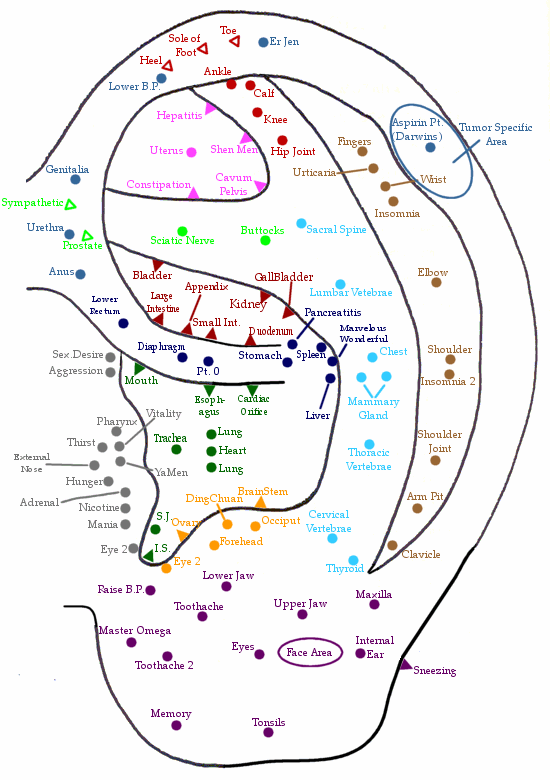
Stimulation of auricular points can be self administered at home through the use of ear seeds and an ear acupressure point chart. Ear seeds are tiny balls made of either a plant called vaccaria or metal, and are adhered to ear acupressure points with tape. They are then gently pressed throughout the day to stimulate the points, and are often used after an acupuncture session to prolong the healing effects. More accessible points to reach include the Ear Shen Men, which calms the mind, eases anxiety, aids in better sleep, and lessens stress, and Point Zero, which balances the body’s energies.

Whether applied with needles or ear seeds, stimulation of points along the outer ear can provide immense relief from physical, mental, and emotional ailments. TCM teaches that pressure points connect the body through nerve pathways, and activation of certain points can bring your body back to balance. With a detailed chart or with a practitioner’s help, this practice is accessible to anyone and can be self administered.


References

● https://burlingtonacupuncture.com/health-well-news/auricular-acupuncture-what-it-is-and-why-is-everyone-talking-about-it/

● https://acaacupuncture.com/auricular-ear-acupuncture-what-it-treats-how-it-works-and-who-its-for/

● https://www.emmaquine.com/auricular-acupuncture

● https://www.alldeepmassage.com/ow-give-yourself-ear-acupressure/

Cycle 6: Men Changing in Midlife

In Traditional Chinese Medicine, men age in cycles of 8 years governed by Jing, or essence that
is stored in the kidneys. Each 8 year cycle marks different changes, and cycle 6, ages 40-48, is when peak vitality has started to decline. While women experience more obvious symptoms of midlife changes, like the cessation of period and the end of childbearing years, the changes men experience can be more subtle. These changes are also hormonally driven, as testosterone naturally drops when men hit their forties and fifties. Symptoms range from physical to mental, and can be supported and alleviated through acupuncture, lifestyle changes like nutrition and stress management, and herbs that support kidney function.

Common Symptoms
- Physical: reduced muscle bulk and strength, hair loss, height loss, increased body fat in the belly, indigestion, decreased libido, reduced testosterone levels, impotence, anemia, infertility,night sweats, fatigue.
- Mental: depression and irritability, poor concentration, reduced self confidence.

Remedies
Since aging is linked to the decline of Jing, treatment revolves around supporting and maintaining the remaining Jing and kidney yang. Techniques like acupuncture, moxibustion, and herbal blends are all Jing and Yang boosting, and can help ease symptoms related to cycle 6 aging for men.

Acupuncture:
The practice of inserting thin needles into acupressure points throughout the body is used to balance and stimulate the flow of Qi. Stimulation of certain points can increase blood flow to the reproductive system, regulate hormone levels, and reduce stress.

Moxibustion:
Moxibustion is the Traditional Chinese Medicine practice of burning mugwort (moxa) near specific acupuncture points on the body to stimulate circulation, improvise energy flow, and enhance vitality. The heat from burning the moxa penetrates the skin, increasing blood flow and relieving muscle tension. This alleviates symptoms associated with fatigue and low energy levels. Increased circulation also supports reproductive health, regulating testosterone levels, restoring hormonal balance, and improving mood. Moxibustion is also known to manage stress and anxiety and support immune function.

Herbs:
- Liu Wei Di Huang Tang is one of the most famous herbal formulas for kidney support, as it replenishes kidney essence, supports hormonal balance, and strengthens the reproductive system.

- Shu Di Huang nourishes kidney yin and replenishes kidney Jing, which are responsible for vitality, hormonal balance, reproductive health, healthy fluid production, lower back strength, and for combating age related decline.

- Astragalus root helps protect kidney function by boosting Qi, improving circulation, reducing fatigue, and supporting immune resilience.

- Ren Shen Jian Pi Tang is a spleen strengthening formula that supports kidney health by improving digestion and creating higher quality Qi and blood, which reduces tax on the kidneys. When this system is nourished, the kidneys can maintain optimal functionality, which is regulating fluids and supporting hormonal balance.

Nutrition:
Warming foods like soups and broths, root vegetables, avocados, olive oil, walnuts, flaxseeds, chia seeds, salmon, chicken, turkey, eggs, broccoli, cauliflower, brussel sprouts, kale, spinach, swiss chard, berries, pomegranates, bananas, quinoa, brown rice, oats, lentils, chickpeas, black beans, turmeric, ginger, garlic, greek yogurt, cottage cheese, oysters, pumpkin seeds, soft rice or millet congee. Proper protein and mineral intake is important to maintain strength as you age.

Make sure food is lightly cooked to make it easier to digest.- Steamed or sauteed vegetables, warm fruit instead of raw fruit, and room temperature or warm drinking water.

Sleep and stress management:
Sleep is crucial in preserving Jing. When the body gets deep, consistent rest, the body is allowed to repair and regenerate, while chronic sleep deprivation accelerates depletion and decline. Practice no electronics before bed, establish a calming routine, and minimize stimulation to best support quality sleep. Along with sleep, relieving stress is so important to maintaining Jing.

Chronic stress levels disrupt hormonal balance, weaken Qi, and accelerate aging. Acupuncture and light exercise can help regulate the nervous system and promote long term vitality. The midlife hormonal changes men experience are not only about sex drive; the drop in testosterone affects mood, weight regulation, muscle loss, weakness, and hormonal imbalances.

To combat these symptoms, consult a TCM practitioner to find a treatment plan that works best for you. Acupuncture and herbs, proper nutrition to support digestion, quality sleep, and stress management are all important lifestyle changes to adopt to best support your body through the changes of aging, maintain Jing, and increase overall vitality.

Resources

● https://scottsdaleintegrativeacupuncture.com/blog//blog/men-and-midlife-3-tips-for-navigating-sucessfully

● https://www.drxiangjun.com/blog/mens-health-series-signs-of-male-menopause

● https://www.orientalremediesgroup.com/tcm-clinic/articles/do-men-go-through-menopause/

● https://acaacupuncture.com/blog/womens-7-year-cycles-and-mens-8-year-cycles-in-traditional-chinese-medicine/

● https://www.ginsen-london.com/blog/chinese-herbs-for-kidney-health/

● https://berkeley-acupuncture.com/2025/07/21/vitality-digestion-tcm-older-adults/

● https://trtgulf.com/key-principles-of-moxibustion-for-mens-health/

Seasonal Cooking

Seasonal cooking in Eastern medicines is not only about what foods you eat, but how you prepare them too. Each season has different dietary specifications intended to balance yin and yang, support each associated organ, and ease digestion. Preparing these foods properly by steaming, boiling, roasting, stewing, braising, or simmering not only maintains nutritional and flavor value, but also warms them to make them easier to digest. Proper digestion is key to overall well being and balance, as TCM teaches that food is the best medicine.

Winter Foods
In TCM, winter is associated with the kidneys, which store vitality, making it important to eat warm and nourishing foods for optimal digestion and kidney health. Steaming, roasting, stewing, braising, boiling, or simmering are the best ways to prepare food in winter since cooked and warm foods are easier to digest than raw or cold foods. Focus on healthy fat and bitter foods, and lower salt content. Warm and wet foods like soups and stews counteract the dryness of the season. Incorporating seasonal foods like root vegetables, hearty animal proteins, and warming spices provides the proper nutrients for kidney health and digestion.

Vegetables: Sweet potatoes, beets, carrots, yams, daikon radish, ginger, fennel, onion, leek, scallion, root vegetables, garlic, potato, radish, cooked cabbage, mushroom, asparagus

Fruits: Pomegranates, citrus like oranges and tangerines, stewed or baked apples with cinnamon, grapes, apple, mulberry, spinach, kale, and chard boiled or in stews

Proteins: Beef, venison, lamb, bone broth, black soy bean, black beans, lentils, red beans, soybeans, kidney beans.

Grains: Congee, brown rice, oats, barley, millet, whole grains, black rice, purple rice, rye bread, whole wheat

Nuts and Seeds: Walnuts, chestnuts, black sesame seeds, sunflower seeds

Herbs and Spices: Ginger, cinnamon, garlic, black pepper, star anise, chive.

Teas: Ginger, chrysanthemum, ginseng, cinnamon, turmeric.


Spring Foods

Spring is a transitional season and a time for lighter meals and cooking methods like light steaming, sautéing, and quick hot stir frying (maintaining an al dente quality to vegetables).
These cooking techniques maintain nutrients and flavors, and make them easier to digest. This season is associated with the liver, meaning it is important to include foods that support detoxification and the smooth flow of Qi. Limit fried foods and processed ingredients that can cause stagnation.

Vegetables: Lightly cooked leafy greens and sprouts. Asparagus, kale, spinach, swiss chard, collards, and dandelion greens, cabbage, carrots, celery, potato, pumpkin, radish leaf, shiitake mushrooms, string beans, sweet potato, lettuce, onions, beetroot, young beets, chard, cucumber, aubergines, squash.

Fruits: Grapefruit, lemon, dates, berries, apricots, figs, grapes, pineapples, plums, apples, cherries, dates and bananas, and kiwi

Proteins: Chicken, shrimp, rabbit, white fish, eggs

Grains: Millet, quinoa, barley, buckwheat, sprouted grains like mung bean.

Nuts and Seeds: Sesame seeds and oil including black sesame seed which tones up the liver, sunflower seeds and oil, almonds, chestnuts, coconuts, and walnuts.

Herbs and Spices: Ginger, chives, green onions, cilantro, mint, basil, fennel, marjoram, rosemary, caraway, turmeric, coriander, dill, and bay leaf.

Fermented: Sauerkraut, kimchi, apple cider vinegar, wine vinegars

Sprouted Seeds: Mung beans, pea shoots, and sunflower sprouts.

Teas: Lavender, lime tree flowers, milk thistle, dandelion, ginger with honey, green


Summer Foods
Summer foods are intended to keep the body cool and hydrated in this season of hot, humid or dry weather. The heart and small intestine are associated with summer, and they require foods that are cooling in nature vs temperature, and that are easy to digest without overburdening the digestive system and depleting energy. Cold or raw foods can weaken the digestive tract by causing contraction, which causes holding in sweat and heat, contract the stomach, and stop digestion. Cold foods include raw foods, drinks with ice, and excessive dairy like yogurt and milk. Avoid spicy and greasy foods, which can cause internal heat and overstimulate the digestive system, causing irritability, acne, insomnia, and diarrhea or constipation. Grilling is common and should not be over used. When grilling meats, use sour fermented foods, fresh greens and cooked summer vegetables to balance the grease and dense heat from the grill. Generally, opt for light, steamed meals, stir fried veggies, and herbal teas instead of caffeine or alcohol. When eating cold or raw foods, compliment the meal with ginger or warm water with lemon.

Vegetables: Watercress, lettuce, bitter melon, cucumber, bok choy, enoki mushrooms, lotus root, asparagus, radishes, celery, corn, water chestnuts, peppers, eggplant, onions, broccoli, cabbage, and summer squash.

Proteins: Plant-based proteins, lean pork, aduki bean, coix seed, pistachio, mungbean, soy milk

Grains: Millet, oat, barley, rice, wheat

Herbs and Spices: Honeysuckle, chrysanthemum, mint, black plum, longan, sour date kernel, aged tangerine peel, basil, ginger, paprika, coriander, marjoram, rosemary, thyme, matcha

Fruits: Melons like watermelon and canteloupe, stone fruits like plum, peaches, nectarines, and cherries, strawberries, pears, mulberries, apple, tomato, berries, lemon, pineapple quince, elderberry, cranberry, fig, banana, coconut

Teas: Lotus leaf, Tulsi, mint and licorice root, ginger and lime, chrysanthemum, honeysuckle, Hawthorne berry, peppermint, green tea


Fall Foods
Fall is the transition time between summer and winter where slowing down and turning inward becomes the focus. The lungs and large intestines are the associated organs with fall, and they represent the body’s first line of immunity defense and elimination. It is important to keep warm by consuming warming foods that replenish fluids and eliminate dryness. Roasting, boiling, and stewing foods during fall adds warmth and preserves moisture.

Vegetables: Broccoli sprout, brussel sprouts, cauliflower, spinach, watercress, leek, onion, parsnips, fennel, Chinese yam, lotus root, sweet potato, pumpkin, snow fungus

Fruits: Apple, pear, peach, tangerine, golden kiwi, guava, persimmon, pomelo, fig

Proteins: Duck egg, duck, river fish, crab, black bean, adzuki bean, mung beans, white beans, lentils, chickpeas, tofu.

Grains: Rice, red rice, oat

Other: Honey, cane sugar, spices, tahini, rice wine, extra virgin oil, almonds

Herbs and Spices: Ginger, cinnamon, lotus seeds, American ginseng, lily bulb, osmanthus

Teas: Chrysanthemum, oolong


Nature works in amazing ways by providing the most nourishing foods to support our changing health needs through the seasons, but how we prepare them is the final step in ensuring those nutrients are properly absorbed and processed. It is instinctual to want warm and comforting foods in the cold winter months, like soups, stews, and roasted veggies, as they provide physical warmth and nourishment as we slow down and wait for spring. The summer months bring the desire to cool off and hydrate, calling for foods with high water content that are lightly cooked. Adjusting how we eat to best support our bodies through the seasons will lead to better health overall.


Resources

● https://www.acu4u.com/blog/eating-according-to-the-seasons-dietary-principles-of-traditional-chinese-medicine

● https://donnabunte.com/seasonal-eating-with-chinese-medicine/

● https://meaganrosewilson.substack.com/p/cooking-for-the-season-a-tcm-approach

● https://aprpc.com/embracing-winter-with-traditional-chinese-medicine/

● https://www.yinovacenter.com/blog/winter-nourishment-warming-foods-to-banish-the-chill/

● https://www.northernmedical.org/2025/02/12/warmer-days-lighter-meals-a-tcm-approach-to-spring-nutrition/

● https://gwcim.com/spring-frolicking-eating-with-the-seasons-in-chinese-medicine/

● https://www.avicenna.co.uk/fileadmin/uploads/Documents/TCM_Spring.pdf

● https://www.eacuwell.com/blog/seasonal-spring-superfoods-to-consider

● https://yina.co/blogs/wellness-guide/summer-wellness-tips?srsltid=AfmBOoqEdnQnAG6-vYCo7SdL0jK99R25bPvGaOMGbY72uRD2fF20i_2r

● https://riverpointacu.com/eating-according-to-tcm-five-foods-for-summer/

● https://www.rcwacupuncture.com/summer-nutritional-tips-according-to-chinese-medicine/

● https://www.yinovacenter.com/blog/autumn-recipes-to-nourish-your-yin/

● https://calandraacupuncture.com/2012/06/tcm-and-summer/

● https://raleighacupunctureinc.com/fall-health-nutrition/

● https://riverpointacu.com/best-fall-foods-for-health-and-longevity-a-tcm-perspective/

● https://harmonizingcare.com/promoting-health-in-autumn-with-traditional-chinese-medicine/